


The cultural significance of gambling across different societies
The Historical Context of Gambling
The history of gambling can be traced back to ancient civilizations, where it played a pivotal role in cultural rituals and social practices. The Greeks and Romans, for instance, integrated various forms of gaming into their festivals and religious ceremonies, seeing it as a way to honor the gods. Games of chance were not merely entertainment; they often held deeper meanings, such as the pursuit of fate or fortune. This historical context reveals how gambling has long been intertwined with societal beliefs and traditions. Today, many enjoy options like no kyc casino uk that offer a modern twist on traditional gaming experiences.
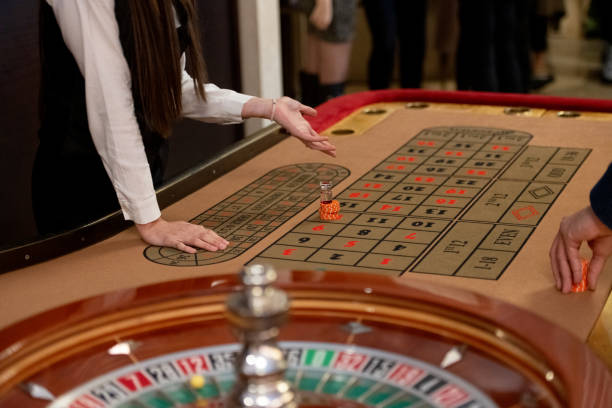
In Asia, gambling has also held significant cultural importance. The Chinese, for example, have a long history of gambling, evidenced by games like Pai Gow and the use of betting in traditional festivities. These practices reflect not just a form of entertainment but a social activity that strengthens community bonds. The acceptance of gambling within various cultures also highlights its versatility, adapting to the local norms and values while still maintaining its core essence as a game of chance.
As societies evolved, so did the perception of gambling. In many cultures, it shifted from a communal activity to one often viewed with suspicion or taboo, especially in religious contexts. However, the ongoing popularity of gambling illustrates its resilience and adaptability, showing that despite shifts in cultural attitudes, the allure of games of chance continues to capture human interest across generations.
Gambling as a Social Interaction Tool
Gambling serves as a significant social interaction tool within many communities. It often acts as a bridge, connecting people across different backgrounds through shared experiences, whether in a casino or at home. Social gambling has been a way for friends and families to come together, fostering relationships and encouraging bonding. This communal aspect is essential, as it transforms the act of gambling from an isolated endeavor into a shared experience that enriches social ties.
In some societies, such as those in South America, gambling events are celebrated as social gatherings, where the stakes are often accompanied by festive food, music, and laughter. These events can bolster community spirit and create a sense of belonging among participants. The social rituals around gambling highlight its role in enhancing interpersonal connections, allowing individuals to engage in healthy competition while also promoting camaraderie.
Moreover, the social element of gambling can also have negative implications, as seen in addiction issues that may arise in certain communities. Nevertheless, addressing these challenges can lead to a more profound understanding of gambling’s role in society, emphasizing the importance of responsible gaming practices. This awareness can help maintain the positive aspects of gambling as a social activity while mitigating its potential pitfalls.
Gambling and Cultural Identity
Across various cultures, gambling often intertwines with cultural identity, acting as a reflection of societal values and beliefs. For instance, in Native American communities, gambling has become a way to reclaim autonomy and cultural heritage. Tribal casinos not only provide economic benefits but also serve as a means of preserving traditional practices and celebrating cultural narratives. This highlights how gambling can evolve into a vital aspect of cultural identity, resonating with the community’s historical experiences.
In Japan, gambling has also influenced cultural identity, albeit within a complex framework. Traditional games like Pachinko are deeply embedded in Japanese society, representing a unique blend of leisure and luck. This cultural significance is further illustrated by the way gambling is portrayed in art and literature, serving as a medium through which societal values are explored and critiqued. The association of gambling with cultural narratives underscores its role in shaping collective identities and reinforcing communal values.
On the contrary, some societies view gambling as a threat to cultural integrity, often leading to restrictions or outright bans. This highlights the ongoing tension between tradition and modernity, where the perception of gambling can shift based on evolving societal norms. Understanding these dynamics is crucial for recognizing the varied roles gambling plays across cultures, as it can be both a source of pride and a subject of contention in shaping cultural identities.
The Economic Impact of Gambling
The economic significance of gambling cannot be understated, as it contributes significantly to local and national economies. In many regions, gambling generates substantial revenue through taxes, licensing fees, and job creation. For example, Las Vegas has built its entire economy around the gambling industry, showcasing how it can transform a city into a vibrant tourist destination. This economic model illustrates the potential benefits of integrating gambling into the broader economic landscape.
Additionally, gambling can serve as a catalyst for infrastructure development. Cities that embrace gambling often see improvements in transportation, hospitality, and entertainment sectors, leading to a more comprehensive economic boost. This development, however, raises questions about the sustainability and ethical implications of relying on gambling as an economic driver. Ensuring responsible practices and addressing social issues arising from gambling is essential for maintaining a balanced economic approach.
Moreover, the economic benefits of gambling extend beyond immediate financial gains. It can create a ripple effect, encouraging investments in other sectors and enhancing overall community welfare. However, striking a balance between reaping economic benefits and addressing potential social concerns, such as gambling addiction, remains a challenge for many societies. Engaging in responsible gaming initiatives can help ensure that the economic advantages of gambling are maximized while minimizing its negative impacts.
Exploring Responsible Gambling and Awareness
The conversation around gambling must include a focus on responsible gaming and awareness initiatives. Many societies recognize the need for educating the public about the potential risks associated with gambling, aiming to foster a culture of informed participation. Programs designed to raise awareness can help individuals understand the importance of setting limits and recognizing the signs of gambling addiction, ultimately promoting healthier gaming habits.
Numerous organizations around the world are dedicated to providing resources for those affected by gambling-related issues. These initiatives often focus on prevention, offering counseling and support to individuals and families dealing with the impact of gambling addiction. By incorporating education and awareness into the cultural narrative surrounding gambling, societies can work towards creating a more balanced and responsible gaming environment.
Furthermore, online platforms are increasingly adopting responsible gaming measures, enabling players to monitor their behavior and establish boundaries. This adaptability highlights the growing recognition of gambling’s cultural significance and the responsibility that comes with it. By fostering a culture that values responsible gambling, societies can celebrate the enjoyable aspects of gaming while protecting individuals from potential harm.

No KYC Casino: Embracing Modern Gambling
No KYC Casino represents a new era in the gambling industry, offering a platform that prioritizes privacy and convenience for players. In a landscape where traditional casinos often impose stringent identity verification processes, No KYC Casino allows users to engage in online gaming without the hassle of providing personal information. This innovative approach appeals to those who value anonymity and a seamless gaming experience, reflecting modern societal shifts towards privacy.
With an extensive selection of over 9,000 games, No KYC Casino caters to a diverse range of preferences, ensuring that players have access to varied gaming experiences. The introduction of lucrative bonuses, including substantial welcome packages and free spins, further enhances the appeal of the platform. By blending entertainment with convenience, No KYC Casino embodies the evolution of gambling in contemporary society, making it a fitting choice for modern players.
As the gambling landscape continues to evolve, platforms like No KYC Casino are at the forefront of embracing new trends and adapting to the needs of players. Their commitment to providing a secure and enjoyable gaming experience underscores the potential of gambling to adapt while maintaining its cultural significance across different societies. Ultimately, No KYC Casino exemplifies the future of gambling, combining tradition with innovation to create a unique gaming environment.
