


Understanding the cultural significance of gambling across different societies
Historical Context of Gambling
Gambling has been a part of human civilization for thousands of years, with its roots tracing back to ancient cultures. From the dice used in Mesopotamia around 3000 BC to the betting games popular in ancient Rome, gambling has always played a significant role in social and economic interactions. These early forms of gambling were often tied to religious rituals or used as a means to predict outcomes in uncertain situations, illustrating its deep cultural significance. As modern players explore their options, many chose to realize the benefits of engaging with platforms like LolaJack casino.

As societies evolved, so did gambling practices. In China, the game of Pai Gow originated during the Song Dynasty and highlighted the intertwining of gambling with community life. This tradition laid the groundwork for various modern gambling games, reflecting how historical practices continue to influence contemporary forms of play. Over time, gambling emerged not only as a pastime but also as a means to engage in social bonding and economic transactions.
The cultural significance of gambling is underscored by its varied interpretations across different societies. In some cultures, it is viewed as an entertaining pastime, while in others, it bears a more serious connotation, associated with moral or ethical debates. This duality highlights the complex relationship societies have with chance, luck, and risk, emphasizing the need to understand gambling in its specific cultural context.
Gambling in Western Societies
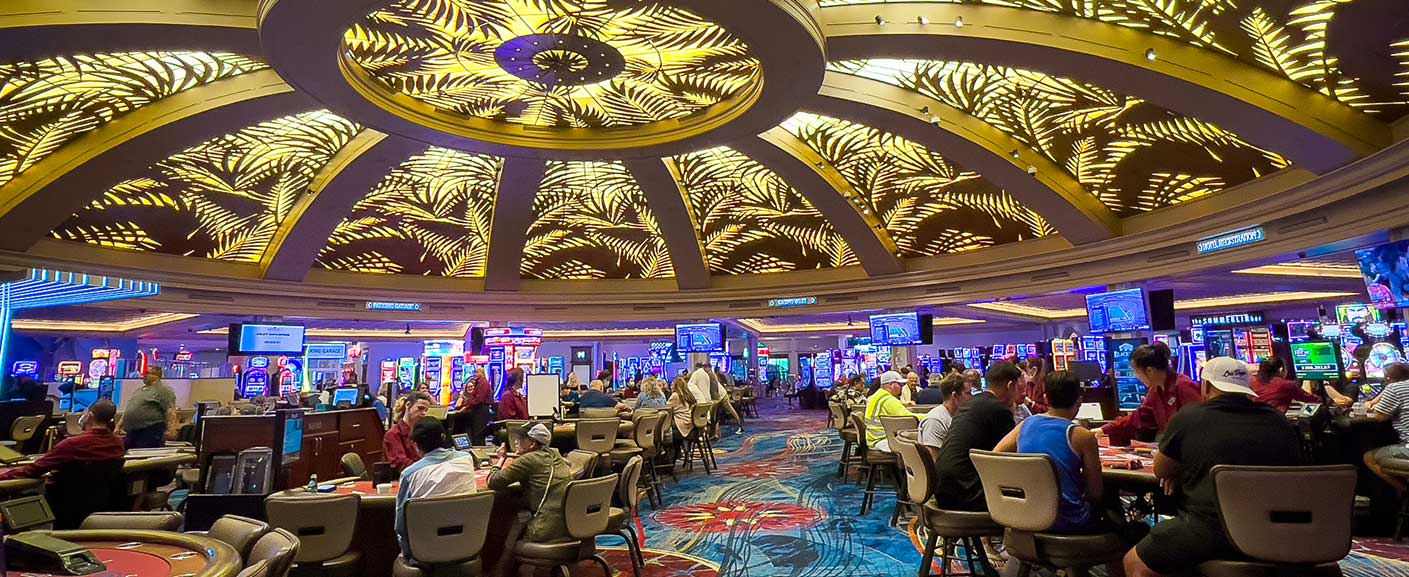
In Western cultures, particularly in the United States and parts of Europe, gambling has transformed into a multifaceted industry. The rise of casinos and online platforms has made gambling more accessible, leading to debates about its economic benefits and potential social drawbacks. The Las Vegas Strip serves as a prime example of how gambling has become a hallmark of entertainment and tourism, drawing millions of visitors each year.
However, the cultural significance of gambling in these societies goes beyond mere entertainment. It often reflects deeper social issues such as addiction and economic disparity. While many view gambling as a form of recreation, others are concerned about its potential to foster compulsive behavior and societal harm. This dichotomy is particularly evident in discussions surrounding gambling legislation and responsible gambling initiatives, which highlight the importance of thoughtful registration processes.
Moreover, gambling has also been depicted in Western media, reinforcing certain stereotypes and cultural narratives. Films, literature, and even television shows often romanticize the gambler archetype, portraying it as a high-stakes lifestyle filled with glamour and risk. This representation not only shapes public perception but also influences the cultural fabric surrounding gambling within Western societies.
Gambling in Eastern Cultures
In many Eastern cultures, gambling is often intricately tied to traditions and social interactions. For example, in countries like Japan and China, games like Mahjong are not only a form of gambling but also a means of family bonding and socializing. Such practices highlight how gambling serves as a communal activity that reinforces relationships among family and friends, contrasting sharply with Western individualistic perspectives.
The cultural significance of gambling in Eastern societies also relates to spirituality and luck. In cultures where superstition plays a vital role, rituals often accompany gambling activities to invoke favorable outcomes. For instance, many Chinese gamblers consult the I Ching or other fortune-telling methods before placing bets, indicating a strong belief in fate and destiny. This contrasts with the more secular approach to gambling often found in Western contexts.
Furthermore, the regulation of gambling in these societies varies widely, reflecting differing cultural attitudes. In some countries, gambling is heavily regulated or prohibited, seen as a vice rather than a form of entertainment. In others, government-sanctioned lotteries and betting systems symbolize a blending of tradition and modernity, demonstrating how gambling can be both a source of revenue and a cultural pastime.
Gambling and Social Implications
The social implications of gambling extend beyond personal choices, impacting communities and economies alike. In many regions, gambling is viewed as a potential source of economic growth. Governments may legalize and regulate gambling to boost tourism and create jobs, believing that this can lead to overall societal benefits. For example, states in the U.S. have witnessed significant economic infusion due to the establishment of casinos, transforming local economies.
However, this economic potential often comes with hidden costs. Communities may face challenges related to gambling addiction, increased crime rates, and social disintegration. These issues have prompted discussions around responsible gambling and the need for education and resources to mitigate potential harm. The societal impacts of gambling necessitate a balanced view, recognizing both its economic benefits and its potential risks.
Additionally, gambling often intersects with issues of class and inequality. Access to gambling facilities and online platforms, such as the Lola Jack online casino, can vary widely, impacting who benefits from this economic sector. Discussions surrounding social justice in relation to gambling practices highlight the disparities that exist within communities, underscoring the need for inclusive policies that consider the welfare of all citizens.
Contemporary Perspectives and Future Trends
As we move further into the 21st century, the landscape of gambling continues to evolve. The rise of online gambling platforms has transformed how individuals engage with betting, making it more accessible than ever before. This shift raises important questions about regulation and responsible gambling, as technology allows for a more immersive and potentially addictive experience.
Moreover, the cultural perceptions of gambling are undergoing change. Younger generations may view gambling as a norm, influenced by digital platforms and social media representations. This evolving landscape poses both challenges and opportunities, as traditional cultural views about gambling are reassessed in light of new technologies and social dynamics.
Looking ahead, the ongoing dialogue about the cultural significance of gambling is likely to become more prominent. As societies grapple with the implications of gambling—both positive and negative—there will be an increasing need for thoughtful discussions and comprehensive policies. Recognizing the diverse cultural contexts in which gambling exists will be critical for fostering a balanced and informed approach to this multifaceted issue.
Website Overview and Significance
This article has delved into the intricate cultural significance of gambling across various societies, highlighting the historical, social, and contemporary perspectives surrounding this multifaceted practice. Understanding these dynamics is essential for anyone interested in the broader implications of gambling on culture and society.
As we continue to explore the intersections of gambling with culture, economics, and social issues, platforms that provide information and insights will play a critical role. Engaging with resources that offer comprehensive perspectives can help foster a more nuanced understanding of the cultural contexts in which gambling operates.
